
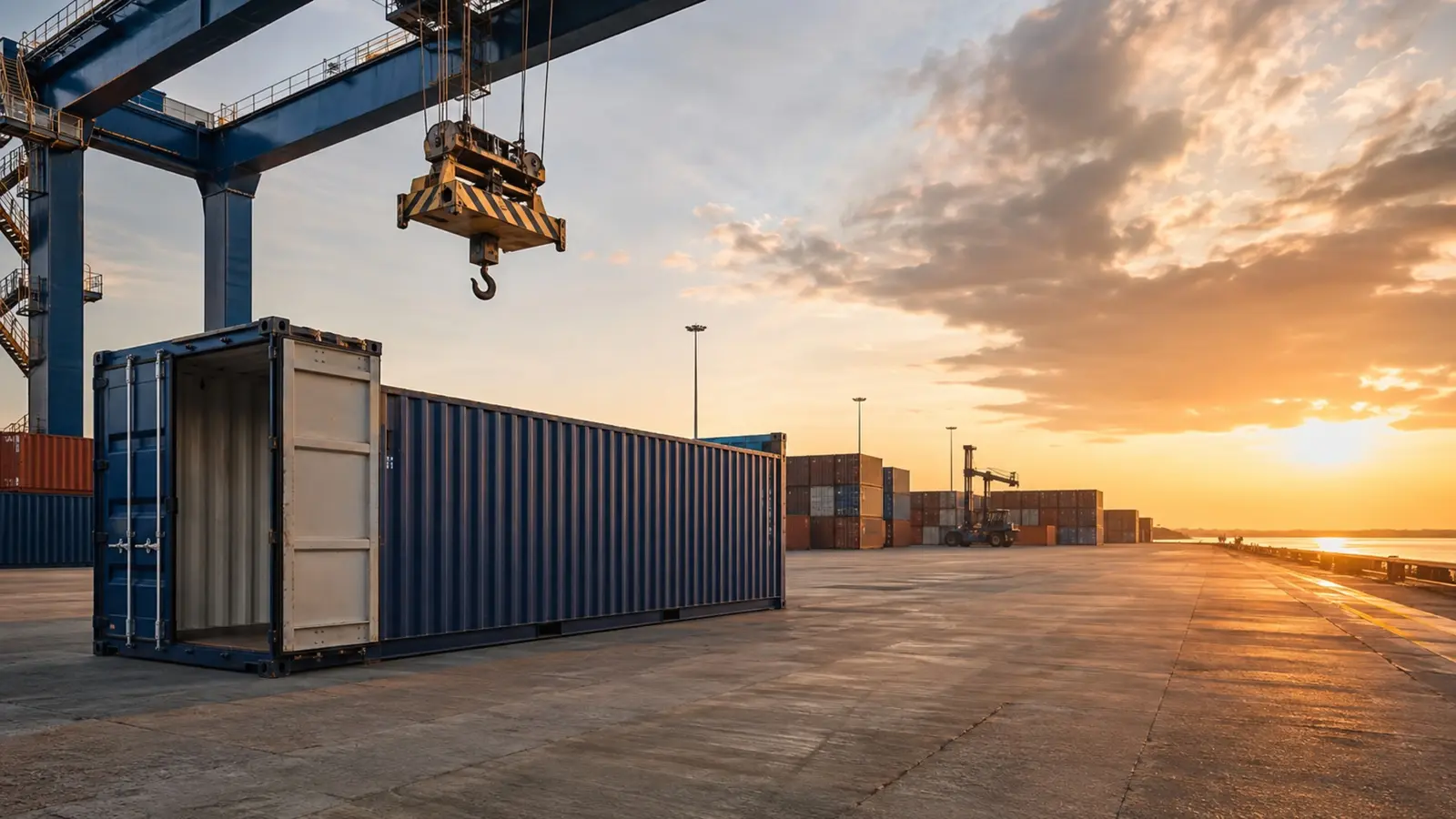
A guide to inspection, weather-tightness, doors, floors and corrosion control. This guide explains how to build the decision before recommending a product. Cargo, site, budget and risk are assessed in one framework.
Maintenance strategy
Maintenance strategy is one of the technical starting points for a sound container decision. The objective is not merely to select equipment; it is to make the complete process predictable, from cargo acceptance and site use to delivery planning and maintenance ownership. Time, cost and safety targets remain aligned when procurement, logistics, site and safety teams work from the same verified information.
Relying only on a catalogue name or unit price increases operational risk. Cargo dimensions, centre of gravity, door access, site ground, lifting method and duration are connected inputs. A small clearance issue, delayed preparation or missing document can stop a much larger workflow. Technical compatibility and operational feasibility should therefore be assessed in one control framework.
A practical method is to keep dimensions, quantities, dates, photographs and named owners in one record. Each acceptance criterion should have evidence, and any change should trigger a review of delivery, budget and risk. Penta Container connects this verification with stock, condition and delivery options so the decision works in the field, not only on paper.
The plan should accommodate normal variation rather than assume an ideal day. Defining alternative delivery windows, backup equipment, different placement or service access in advance shortens decision time during exceptions. The result is fewer surprises, comparable quotations and stronger continuity. Carrying lessons into the next order creates continuous improvement in container operations.
Visual inspection
Visual inspection is one of the technical starting points for a sound container decision. The objective is not merely to select equipment; it is to make the complete process predictable, from cargo acceptance and site use to delivery planning and maintenance ownership. Time, cost and safety targets remain aligned when procurement, logistics, site and safety teams work from the same verified information.
Relying only on a catalogue name or unit price increases operational risk. Cargo dimensions, centre of gravity, door access, site ground, lifting method and duration are connected inputs. A small clearance issue, delayed preparation or missing document can stop a much larger workflow. Technical compatibility and operational feasibility should therefore be assessed in one control framework.
A practical method is to keep dimensions, quantities, dates, photographs and named owners in one record. Each acceptance criterion should have evidence, and any change should trigger a review of delivery, budget and risk. Penta Container connects this verification with stock, condition and delivery options so the decision works in the field, not only on paper.
The plan should accommodate normal variation rather than assume an ideal day. Defining alternative delivery windows, backup equipment, different placement or service access in advance shortens decision time during exceptions. The result is fewer surprises, comparable quotations and stronger continuity. Carrying lessons into the next order creates continuous improvement in container operations.
Doors and seals
Doors and seals is one of the technical starting points for a sound container decision. The objective is not merely to select equipment; it is to make the complete process predictable, from cargo acceptance and site use to delivery planning and maintenance ownership. Time, cost and safety targets remain aligned when procurement, logistics, site and safety teams work from the same verified information.
Relying only on a catalogue name or unit price increases operational risk. Cargo dimensions, centre of gravity, door access, site ground, lifting method and duration are connected inputs. A small clearance issue, delayed preparation or missing document can stop a much larger workflow. Technical compatibility and operational feasibility should therefore be assessed in one control framework.
A practical method is to keep dimensions, quantities, dates, photographs and named owners in one record. Each acceptance criterion should have evidence, and any change should trigger a review of delivery, budget and risk. Penta Container connects this verification with stock, condition and delivery options so the decision works in the field, not only on paper.
The plan should accommodate normal variation rather than assume an ideal day. Defining alternative delivery windows, backup equipment, different placement or service access in advance shortens decision time during exceptions. The result is fewer surprises, comparable quotations and stronger continuity. Carrying lessons into the next order creates continuous improvement in container operations.
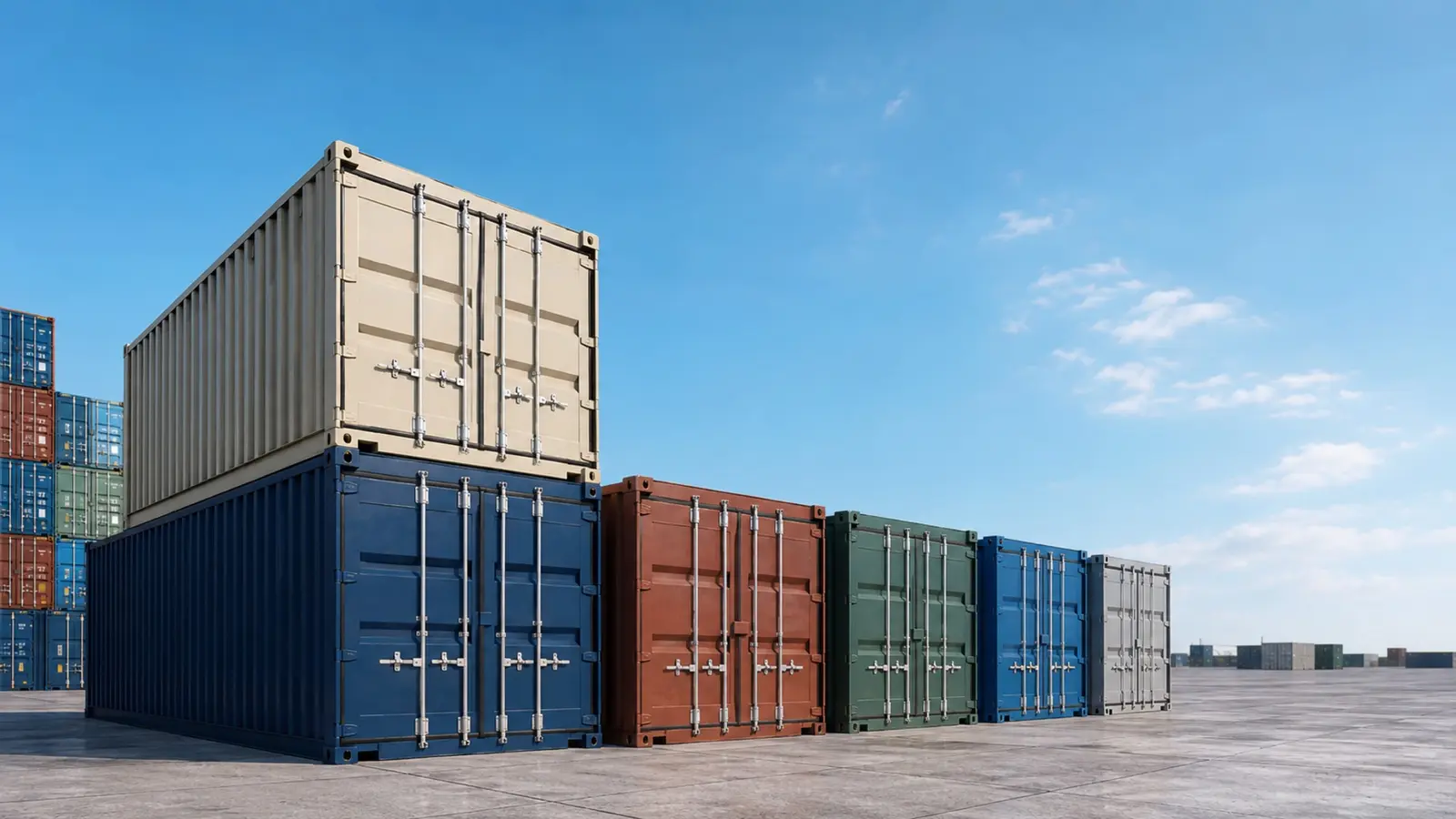
Floor inspection
Floor inspection is one of the technical starting points for a sound container decision. The objective is not merely to select equipment; it is to make the complete process predictable, from cargo acceptance and site use to delivery planning and maintenance ownership. Time, cost and safety targets remain aligned when procurement, logistics, site and safety teams work from the same verified information.
Relying only on a catalogue name or unit price increases operational risk. Cargo dimensions, centre of gravity, door access, site ground, lifting method and duration are connected inputs. A small clearance issue, delayed preparation or missing document can stop a much larger workflow. Technical compatibility and operational feasibility should therefore be assessed in one control framework.
A practical method is to keep dimensions, quantities, dates, photographs and named owners in one record. Each acceptance criterion should have evidence, and any change should trigger a review of delivery, budget and risk. Penta Container connects this verification with stock, condition and delivery options so the decision works in the field, not only on paper.
The plan should accommodate normal variation rather than assume an ideal day. Defining alternative delivery windows, backup equipment, different placement or service access in advance shortens decision time during exceptions. The result is fewer surprises, comparable quotations and stronger continuity. Carrying lessons into the next order creates continuous improvement in container operations.
Roof and weather-tightness
Roof and weather-tightness is one of the technical starting points for a sound container decision. The objective is not merely to select equipment; it is to make the complete process predictable, from cargo acceptance and site use to delivery planning and maintenance ownership. Time, cost and safety targets remain aligned when procurement, logistics, site and safety teams work from the same verified information.
Relying only on a catalogue name or unit price increases operational risk. Cargo dimensions, centre of gravity, door access, site ground, lifting method and duration are connected inputs. A small clearance issue, delayed preparation or missing document can stop a much larger workflow. Technical compatibility and operational feasibility should therefore be assessed in one control framework.
A practical method is to keep dimensions, quantities, dates, photographs and named owners in one record. Each acceptance criterion should have evidence, and any change should trigger a review of delivery, budget and risk. Penta Container connects this verification with stock, condition and delivery options so the decision works in the field, not only on paper.
The plan should accommodate normal variation rather than assume an ideal day. Defining alternative delivery windows, backup equipment, different placement or service access in advance shortens decision time during exceptions. The result is fewer surprises, comparable quotations and stronger continuity. Carrying lessons into the next order creates continuous improvement in container operations.
Corrosion control
Corrosion control is one of the technical starting points for a sound container decision. The objective is not merely to select equipment; it is to make the complete process predictable, from cargo acceptance and site use to delivery planning and maintenance ownership. Time, cost and safety targets remain aligned when procurement, logistics, site and safety teams work from the same verified information.
Relying only on a catalogue name or unit price increases operational risk. Cargo dimensions, centre of gravity, door access, site ground, lifting method and duration are connected inputs. A small clearance issue, delayed preparation or missing document can stop a much larger workflow. Technical compatibility and operational feasibility should therefore be assessed in one control framework.
A practical method is to keep dimensions, quantities, dates, photographs and named owners in one record. Each acceptance criterion should have evidence, and any change should trigger a review of delivery, budget and risk. Penta Container connects this verification with stock, condition and delivery options so the decision works in the field, not only on paper.
The plan should accommodate normal variation rather than assume an ideal day. Defining alternative delivery windows, backup equipment, different placement or service access in advance shortens decision time during exceptions. The result is fewer surprises, comparable quotations and stronger continuity. Carrying lessons into the next order creates continuous improvement in container operations.
Structural repair
Structural repair is one of the technical starting points for a sound container decision. The objective is not merely to select equipment; it is to make the complete process predictable, from cargo acceptance and site use to delivery planning and maintenance ownership. Time, cost and safety targets remain aligned when procurement, logistics, site and safety teams work from the same verified information.
Relying only on a catalogue name or unit price increases operational risk. Cargo dimensions, centre of gravity, door access, site ground, lifting method and duration are connected inputs. A small clearance issue, delayed preparation or missing document can stop a much larger workflow. Technical compatibility and operational feasibility should therefore be assessed in one control framework.
A practical method is to keep dimensions, quantities, dates, photographs and named owners in one record. Each acceptance criterion should have evidence, and any change should trigger a review of delivery, budget and risk. Penta Container connects this verification with stock, condition and delivery options so the decision works in the field, not only on paper.
The plan should accommodate normal variation rather than assume an ideal day. Defining alternative delivery windows, backup equipment, different placement or service access in advance shortens decision time during exceptions. The result is fewer surprises, comparable quotations and stronger continuity. Carrying lessons into the next order creates continuous improvement in container operations.
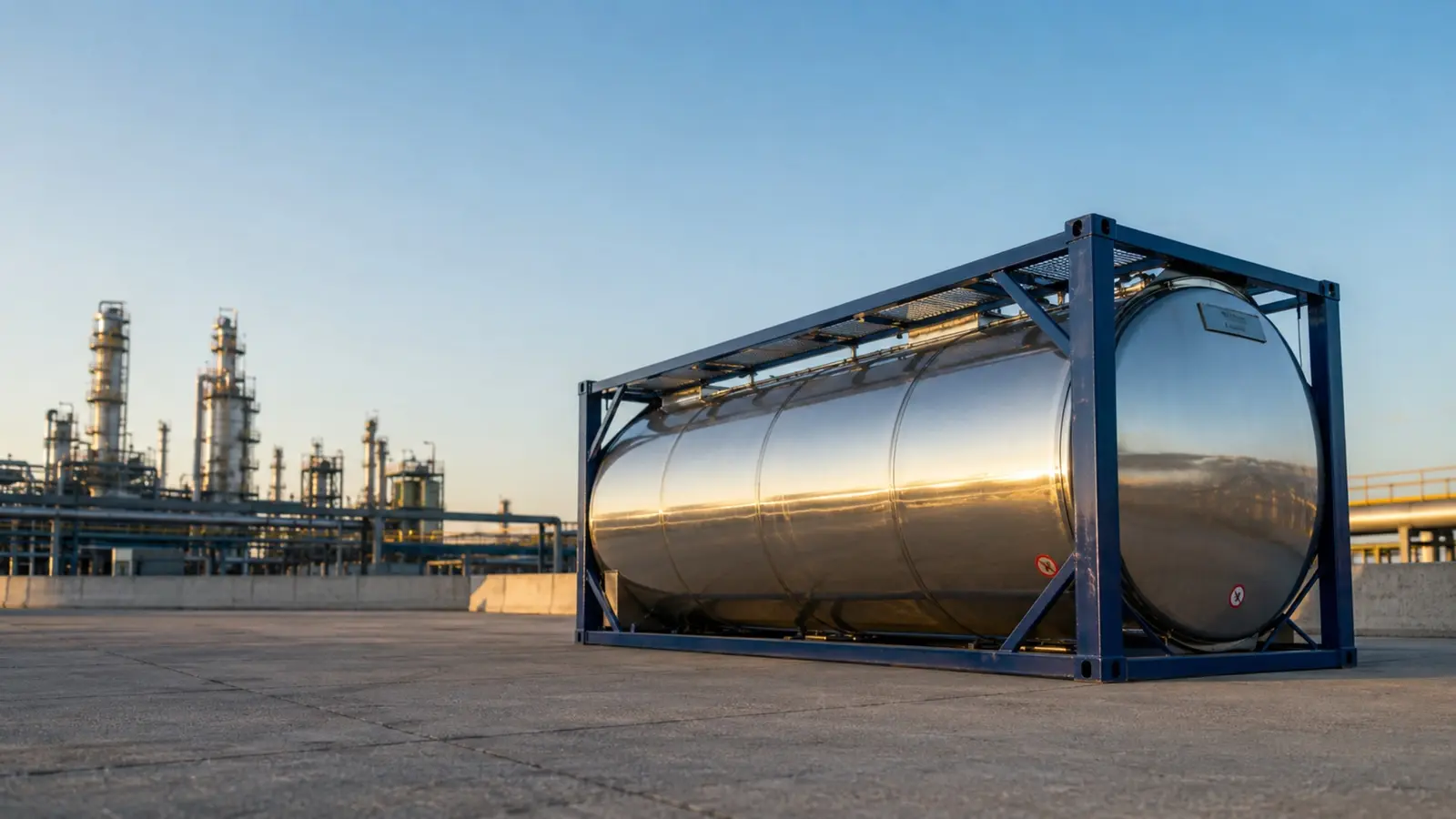
Reefer maintenance
Reefer maintenance is one of the technical starting points for a sound container decision. The objective is not merely to select equipment; it is to make the complete process predictable, from cargo acceptance and site use to delivery planning and maintenance ownership. Time, cost and safety targets remain aligned when procurement, logistics, site and safety teams work from the same verified information.
Relying only on a catalogue name or unit price increases operational risk. Cargo dimensions, centre of gravity, door access, site ground, lifting method and duration are connected inputs. A small clearance issue, delayed preparation or missing document can stop a much larger workflow. Technical compatibility and operational feasibility should therefore be assessed in one control framework.
A practical method is to keep dimensions, quantities, dates, photographs and named owners in one record. Each acceptance criterion should have evidence, and any change should trigger a review of delivery, budget and risk. Penta Container connects this verification with stock, condition and delivery options so the decision works in the field, not only on paper.
The plan should accommodate normal variation rather than assume an ideal day. Defining alternative delivery windows, backup equipment, different placement or service access in advance shortens decision time during exceptions. The result is fewer surprises, comparable quotations and stronger continuity. Carrying lessons into the next order creates continuous improvement in container operations.
Cleaning
Cleaning is one of the technical starting points for a sound container decision. The objective is not merely to select equipment; it is to make the complete process predictable, from cargo acceptance and site use to delivery planning and maintenance ownership. Time, cost and safety targets remain aligned when procurement, logistics, site and safety teams work from the same verified information.
Relying only on a catalogue name or unit price increases operational risk. Cargo dimensions, centre of gravity, door access, site ground, lifting method and duration are connected inputs. A small clearance issue, delayed preparation or missing document can stop a much larger workflow. Technical compatibility and operational feasibility should therefore be assessed in one control framework.
A practical method is to keep dimensions, quantities, dates, photographs and named owners in one record. Each acceptance criterion should have evidence, and any change should trigger a review of delivery, budget and risk. Penta Container connects this verification with stock, condition and delivery options so the decision works in the field, not only on paper.
The plan should accommodate normal variation rather than assume an ideal day. Defining alternative delivery windows, backup equipment, different placement or service access in advance shortens decision time during exceptions. The result is fewer surprises, comparable quotations and stronger continuity. Carrying lessons into the next order creates continuous improvement in container operations.
Record system
Record system is one of the technical starting points for a sound container decision. The objective is not merely to select equipment; it is to make the complete process predictable, from cargo acceptance and site use to delivery planning and maintenance ownership. Time, cost and safety targets remain aligned when procurement, logistics, site and safety teams work from the same verified information.
Relying only on a catalogue name or unit price increases operational risk. Cargo dimensions, centre of gravity, door access, site ground, lifting method and duration are connected inputs. A small clearance issue, delayed preparation or missing document can stop a much larger workflow. Technical compatibility and operational feasibility should therefore be assessed in one control framework.
A practical method is to keep dimensions, quantities, dates, photographs and named owners in one record. Each acceptance criterion should have evidence, and any change should trigger a review of delivery, budget and risk. Penta Container connects this verification with stock, condition and delivery options so the decision works in the field, not only on paper.
The plan should accommodate normal variation rather than assume an ideal day. Defining alternative delivery windows, backup equipment, different placement or service access in advance shortens decision time during exceptions. The result is fewer surprises, comparable quotations and stronger continuity. Carrying lessons into the next order creates continuous improvement in container operations.
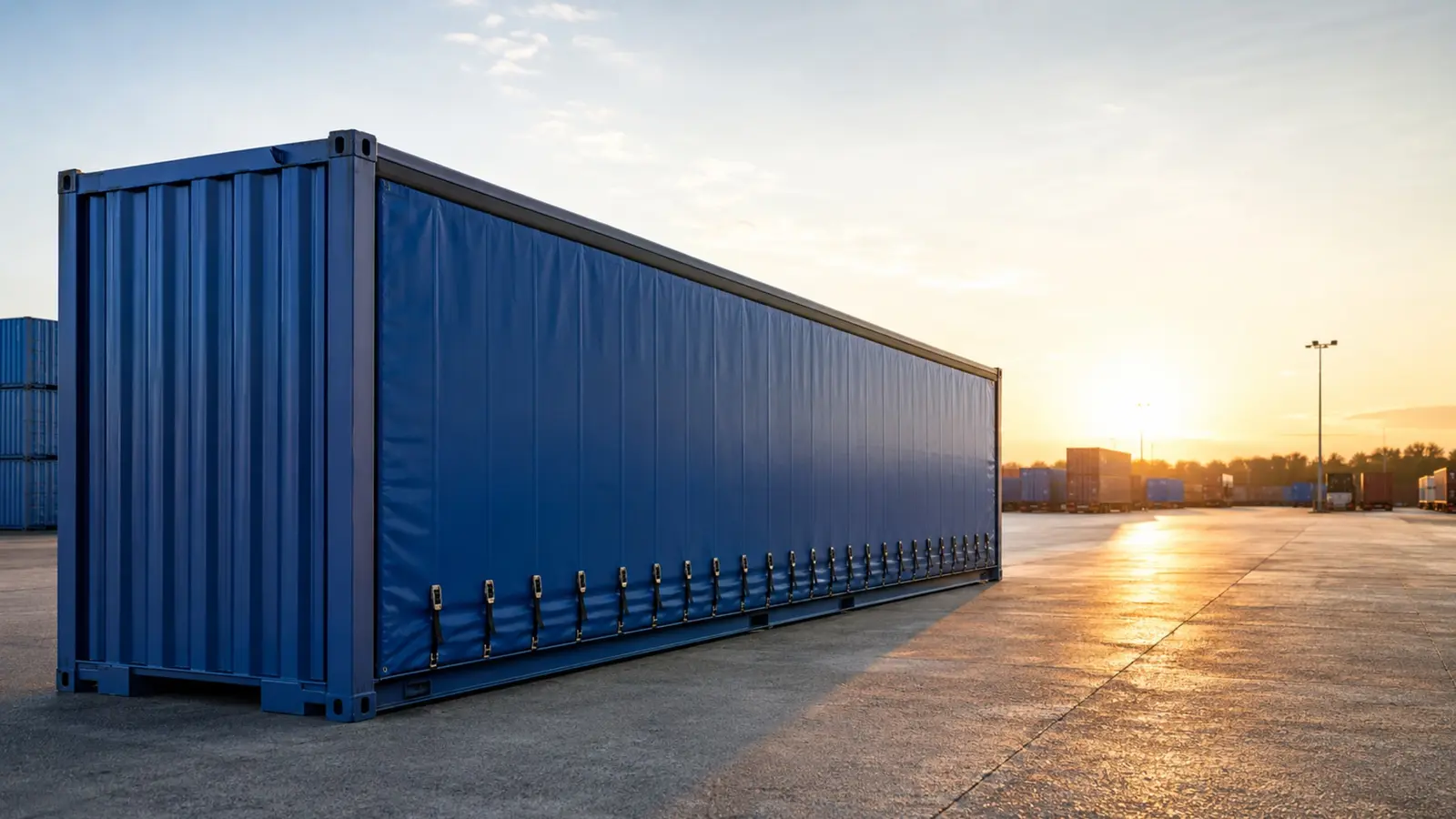
Reuse
Reuse is one of the technical starting points for a sound container decision. The objective is not merely to select equipment; it is to make the complete process predictable, from cargo acceptance and site use to delivery planning and maintenance ownership. Time, cost and safety targets remain aligned when procurement, logistics, site and safety teams work from the same verified information.
Relying only on a catalogue name or unit price increases operational risk. Cargo dimensions, centre of gravity, door access, site ground, lifting method and duration are connected inputs. A small clearance issue, delayed preparation or missing document can stop a much larger workflow. Technical compatibility and operational feasibility should therefore be assessed in one control framework.
A practical method is to keep dimensions, quantities, dates, photographs and named owners in one record. Each acceptance criterion should have evidence, and any change should trigger a review of delivery, budget and risk. Penta Container connects this verification with stock, condition and delivery options so the decision works in the field, not only on paper.
The plan should accommodate normal variation rather than assume an ideal day. Defining alternative delivery windows, backup equipment, different placement or service access in advance shortens decision time during exceptions. The result is fewer surprises, comparable quotations and stronger continuity. Carrying lessons into the next order creates continuous improvement in container operations.
Maintenance programme
Maintenance programme is one of the technical starting points for a sound container decision. The objective is not merely to select equipment; it is to make the complete process predictable, from cargo acceptance and site use to delivery planning and maintenance ownership. Time, cost and safety targets remain aligned when procurement, logistics, site and safety teams work from the same verified information.
Relying only on a catalogue name or unit price increases operational risk. Cargo dimensions, centre of gravity, door access, site ground, lifting method and duration are connected inputs. A small clearance issue, delayed preparation or missing document can stop a much larger workflow. Technical compatibility and operational feasibility should therefore be assessed in one control framework.
A practical method is to keep dimensions, quantities, dates, photographs and named owners in one record. Each acceptance criterion should have evidence, and any change should trigger a review of delivery, budget and risk. Penta Container connects this verification with stock, condition and delivery options so the decision works in the field, not only on paper.
The plan should accommodate normal variation rather than assume an ideal day. Defining alternative delivery windows, backup equipment, different placement or service access in advance shortens decision time during exceptions. The result is fewer surprises, comparable quotations and stronger continuity. Carrying lessons into the next order creates continuous improvement in container operations.
Conclusion
The right equipment creates value through a verified process. Early technical data, visible assumptions and written responsibilities reduce total cost and operational risk. Explore the product pages, review projects or request a proposal from our specialists.
↑ Back to contents